
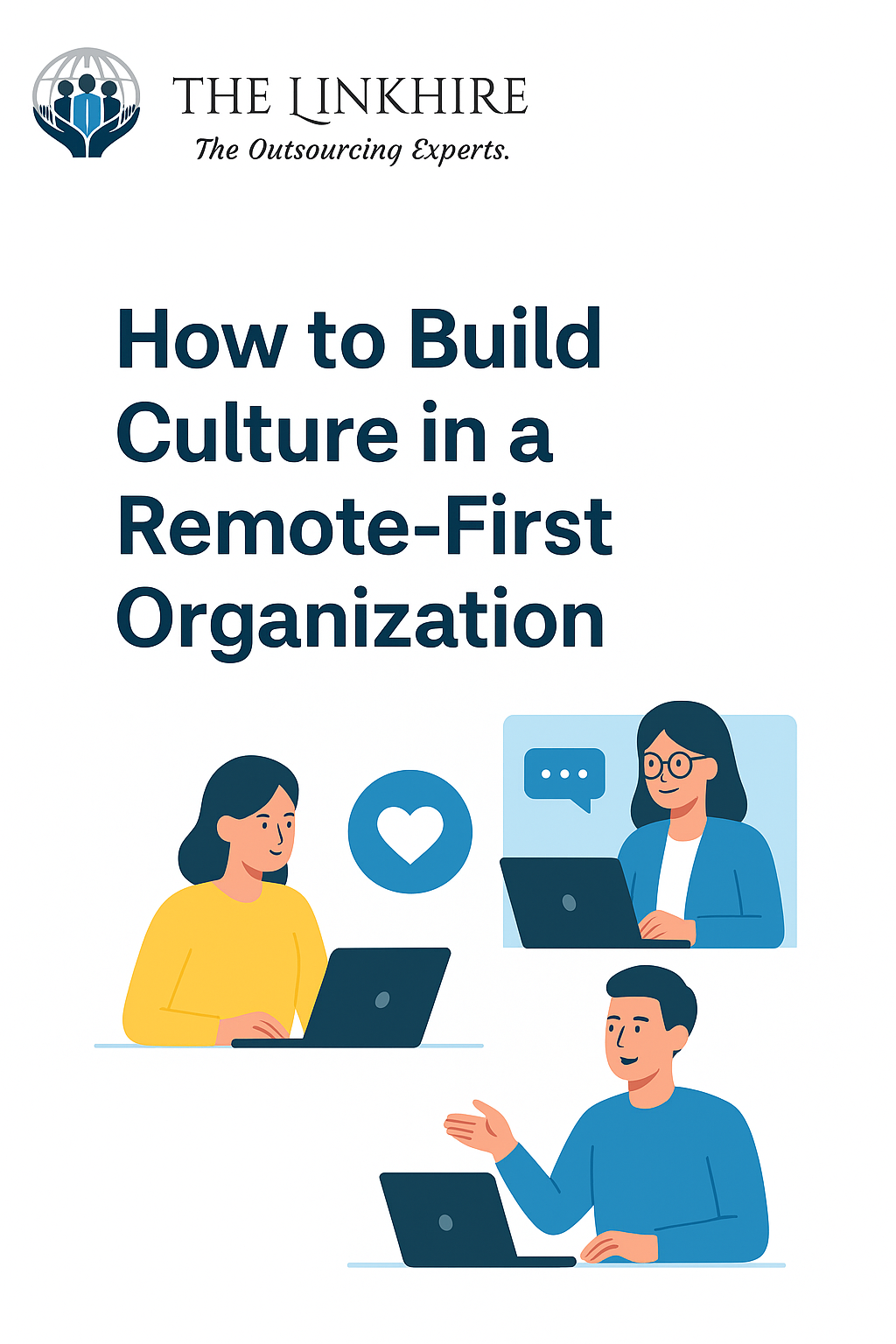
he shift to remote work has been a monumental change for organizations worldwide. While the logistics of remote work are often straightforward to manage with the right tools, the challenge of building and maintaining a strong company culture in a “remote-first” environment is a more nuanced and critical task. A company’s culture is the invisible fabric that connects employees, defines its values, and drives its mission. Without the spontaneous hallway conversations and team lunches of a physical office, cultivating this fabric requires intentionality, strategic planning, and a deep commitment to human connection.
A remote-first culture starts at the very beginning: with recruitment and onboarding. Organizations must proactively hire individuals who are not only skilled but also align with the values of a distributed workforce—qualities like self-motivation, excellent communication, and a collaborative spirit. The onboarding process must then be meticulously designed to immerse new hires in the company culture from day one. This goes beyond a simple welcome email. It involves structured virtual meet-and-greets, a clear introduction to company values and mission, and dedicated time with key team members to build early rapport. A well-executed remote onboarding program can make a new employee feel like a valued part of the team, not just a name on a screen.
Communication is the cornerstone of any remote culture. In the absence of in-person cues, over-communication is often the best policy. This means establishing clear communication channels and norms. Tools like Slack or Microsoft Teams become the digital equivalent of an office, with designated channels for work-related discussions as well as social and informal chats. Encouraging “water cooler” conversations in these spaces is crucial for fostering camaraderie. Asynchronous communication should also be a priority, allowing employees in different time zones to collaborate without constant real-time meetings. This requires a culture of thorough documentation, where information is recorded and easily accessible to all.
Leaders play a pivotal role in setting the tone. They must model the behaviors they wish to see in the organization. This includes being transparent, vulnerable, and actively listening to employee feedback. Managers should be trained to lead with empathy, recognizing the unique challenges of remote work, such as the potential for social isolation and burnout. Regular one-on-one check-ins should focus not only on task-related progress but also on employee well-being. By fostering a sense of psychological safety, leaders create an environment where employees feel comfortable sharing their concerns and ideas.
To combat the isolation that can come with remote work, organizations should make a conscious effort to facilitate virtual social events and team-building activities. This could range from virtual coffee breaks and happy hours to online game nights and collaborative projects that aren’t directly related to work. While these may seem like minor additions, they are vital for building the personal connections that underpin a strong team. Furthermore, many remote-first companies are now incorporating optional in-person retreats or “off-sites” where teams can gather a few times a year. These events provide a powerful opportunity to strengthen bonds and reinforce the company culture in a face-to-face setting.
Finally, a truly remote-first culture must prioritize employee well-being and work-life balance. This means respecting personal time and encouraging employees to log off. Companies can offer stipends for home office setups, mental health resources, and flexible work schedules that acknowledge different personal and family needs. By trusting employees to manage their own time and output, a remote-first organization demonstrates its commitment to a culture of autonomy and respect.
In conclusion, building a strong culture in a remote-first organization is an active, ongoing process. It requires moving beyond simply replicating the physical office online and instead, deliberately designing a new kind of workplace that prioritizes communication, connection, and trust. By investing in these areas, companies can create a thriving remote culture that attracts top talent and ensures long-term success.